
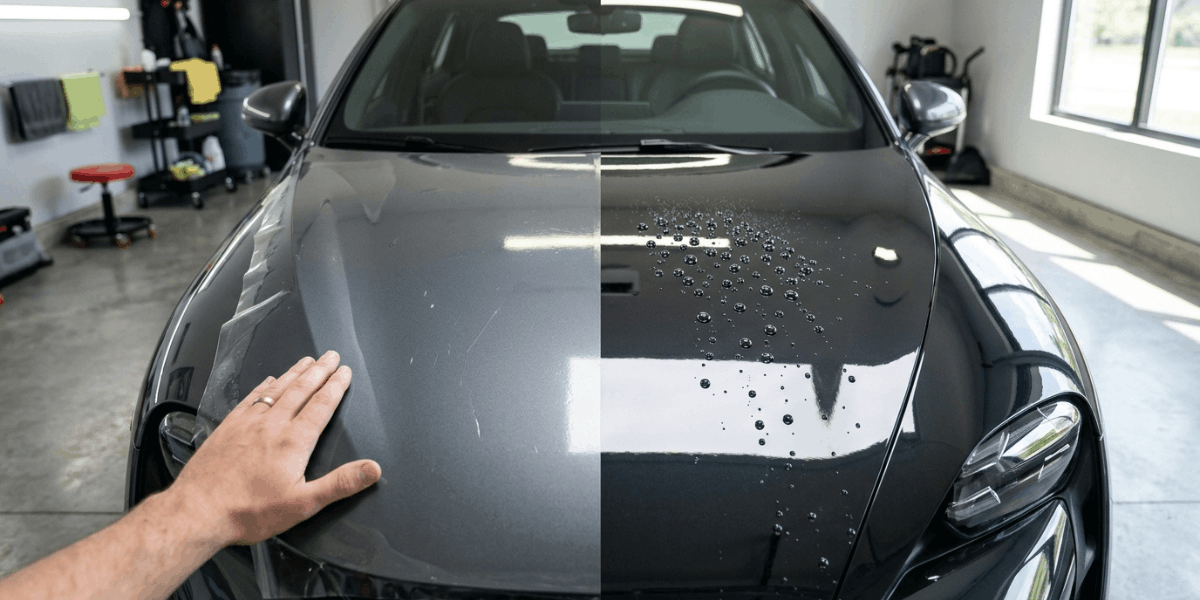
Your vehicle’s paint faces constant exposure to road debris, harsh weather, UV rays, bird droppings, dirt, and other environmental contaminants. Even a carefully maintained car can develop scratches, fading, stains, and surface imperfections over time. Protecting the exterior paint helps maintain the vehicle’s appearance while preserving its overall condition.
Two widely used options for protecting a vehicle’s exterior paint are paint protection film and ceramic coating. Understanding the debate of paint protection film vs ceramic coating helps vehicle owners choose the solution that best matches their driving habits, protection needs, maintenance preferences, and budget. The right choice depends on how the vehicle is used and the type of protection you want to prioritize.
What Is Paint Protection Film?
Paint protection film, commonly known as PPF, is a clear thermoplastic urethane film applied directly over painted surfaces. It creates a physical layer between the vehicle’s paint and outside elements that can cause damage. PPF is designed primarily to protect against physical impacts. It is commonly installed on areas that receive the most exposure during driving, such as the front bumper, hood, and side mirrors.
Key Features of Paint Protection Film
- Scratch Resistance: PPF helps protect the paint surface against minor scratches, scuffs, and light abrasions caused by everyday driving conditions.
- Rock Chip Protection: The thick protective layer helps absorb impacts caused by small rocks, gravel, and road debris that may otherwise damage the factory paint.
- Self-Healing Properties: Some modern PPF products feature self-healing technology that allows minor surface marks to disappear when exposed to heat.
- Protection Against Road Debris: The film acts as a barrier against common road hazards, including insects, dirt, and debris.
- Transparent Appearance: High-quality PPF maintains the original appearance of the vehicle while providing added protection.
What Is Ceramic Coating?
This is a liquid polymer product that chemically bonds with a vehicle’s clear coat. After it fully cures, the coating develops a protective barrier that helps the paint surface better withstand exposure to environmental contaminants. Unlike PPF, ceramic coating does not function as a thick physical shield. Instead, it improves surface protection by creating a smoother, more resistant finish that helps repel water, dirt, and stains.
Key Features of Ceramic Coating
- Hydrophobic Properties: Ceramic coatings create a water-repelling surface that helps water droplets and contaminants slide away more easily.
- Easier Cleaning: The smoother surface reduces the ability of dirt and grime to bond strongly with the paint, making regular washing easier.
- Gloss Enhancement: Ceramic coatings improve paint depth and create a cleaner, more polished appearance.
- UV Protection: The coating helps reduce damage caused by prolonged exposure to sunlight.
- Resistance Against Contaminants: Ceramic coating provides protection against substances such as bird droppings, tree sap, and chemical contaminants.
Paint Protection Film Vs. Ceramic Coating: Key Differences
Considering the main differences between these two options makes the decision process much easier.
| Feature | Paint Protection Film | Ceramic Coating |
| Main Purpose | Protects against physical damage | Protects paint surface and improves maintenance |
| Scratch Protection | Strong protection against scratches and chips | Limited scratch resistance |
| Rock Chip Protection | Excellent | Minimal |
| Gloss Enhancement | Moderate | High |
| Water Repelling Ability | Limited | Excellent hydrophobic effect |
| Maintenance | Low maintenance | Requires proper upkeep |
| Lifespan | Several years depending on film quality | Multiple years with proper care |
Both options protect vehicle paint, but they solve different problems. PPF is focused on impact protection, while ceramic coating focuses more on surface preservation and easier maintenance.
How Paint Protection Film Protects Your Vehicle
Paint protection film works as a protective barrier between your vehicle’s paint and outside elements. The film absorbs the impact of minor hazards before they reach the original paint surface. This makes PPF especially valuable for vehicles that experience frequent highway driving or regular exposure to road debris.
Protection Against Common Road Hazards
- Highway Rock Chips: Small rocks thrown by other vehicles can create chips in factory paint. PPF helps absorb these impacts and reduces the chance of visible damage.
- Road Debris: Small rocks, dirt, and other road debris can come into contact with the vehicle while it is being driven. A protective film helps shield vulnerable painted areas.
- Minor Scratches: Light scratches caused by brushes, branches, and everyday contact can damage paint. PPF provides an additional protective layer.
- Bug Splatter: Insects contain acidic compounds that may stain paint if left untreated for long periods. PPF helps protect the surface underneath.
- Road Grime: Dirt and contaminants can create wear over time. A film layer helps reduce direct exposure.
Common Areas Where PPF Is Applied
PPF is often installed on high-impact sections, including:
- Front bumper
- Hood
- Side mirrors
- Door edges
- Fenders
Some owners choose partial coverage, while others prefer full-body protection depending on their driving needs.
How Ceramic Coating Protects Your Vehicle
Ceramic coating bonds with the clear coat and creates a protective surface that improves resistance against environmental damage. The coating creates a smoother finish, which helps reduce contamination buildup. The biggest advantage of ceramic coating is easier maintenance.
Benefits of Ceramic Coating
- Water and Dirt Resistance: The hydrophobic layer helps water bead up and move away from the surface more easily.
- Easier Washing: A coated vehicle generally requires less effort during routine cleaning because contaminants have less grip on the paint.
- Enhanced Paint Depth and Shine: Ceramic coating improves the reflective appearance of properly prepared paint.
- Protection Against UV Damage: The coating helps reduce the effects of prolonged sun exposure that can contribute to fading and oxidation.
- Reduced Contamination Buildup: It helps protect against environmental contaminants that may affect paint clarity.
However, it is important to understand that ceramic coating does not provide the same impact protection as PPF. If you are wondering “Does ceramic coating protect against scratches?” the answer depends on the type of scratch. It may reduce minor surface marks, but it will not stop rock chips or deep scratches like paint protection film.
PPF Vs Ceramic Coating: Which Is Better
The right choice depends on how you use your vehicle and what type of protection matters most.
Choose Paint Protection Film If You:
- Drive frequently on highways
- Want maximum paint protection
- Own a luxury or performance vehicle
- Frequently encounter road debris
- Want protection against chips and scratches
PPF is often considered the best paint protection for new car owners who want to maintain factory paint condition for years.
Choose Ceramic Coating If You:
- Want easier vehicle maintenance
- Prefer a glossy appearance
- Park outdoors regularly
- Want protection against stains and contaminants
- Focus on paint preservation
Ceramic coating is a practical choice for drivers who want easier cleaning and improved paint protection without installing a physical film layer.
Choosing between paint protection film and ceramic coating depends on your vehicle, driving habits, and protection goals. Shameez Car Detailing New Orleans provides professional guidance and protection solutions designed around your vehicle’s needs. Schedule your mobile auto detailing in New Orleans for convenient vehicle care services.
Cost Comparison Between Paint Protection Film and Ceramic Coating
The cost of paint protection depends on several factors. Pricing can change based on vehicle size, coverage area, product quality, installation difficulty, and paint preparation requirements.
| Protection Type | Typical Investment Level | Main Cost Factors |
| Paint Protection Film | Higher upfront cost | Film coverage and installation |
| Ceramic Coating | Moderate investment | Coating quality and paint preparation |
PPF generally requires a larger upfront investment because installation involves precision fitting and specialized materials. Ceramic coating is usually more affordable but still requires proper surface preparation for the best results.
Frequently Asked Questions
1. Is Paint Protection Film Better Than Ceramic Coating?
Neither option is universally better because they protect against different types of damage. Paint protection film provides stronger impact protection, while ceramic coating improves surface protection and maintenance.
2. Can Ceramic Coating Prevent Rock Chips?
No. Ceramic coating can help protect against contaminants and minor surface issues, but it does not provide the impact resistance needed to prevent rock chips.
3. How Long Does Paint Protection Film Last?
The lifespan depends on film quality, installation, and maintenance. High-quality PPF can typically last several years with proper care.
4. How Long Does Ceramic Coating Last?
Ceramic coating durability depends on coating quality, surface preparation, maintenance, and environmental exposure. Many professional coatings last multiple years when maintained correctly.
5. Can You Apply Ceramic Coating Over Paint Protection Film?
Yes, ceramic coating can often be applied over PPF. It adds water-repelling properties and can make the film easier to maintain.
Final Thoughts
Both paint protection film and ceramic coating provide valuable protection, but they serve different purposes. PPF is a suitable choice for drivers seeking added protection against physical threats like rock chips, road debris, and minor impact damage. Ceramic coating focuses on easier maintenance, improved shine, and protection against environmental contaminants.
The difference depends on your driving habits, vehicle usage, and protection goals. Some owners may prefer one solution, while others may choose a combination for broader coverage. Choosing the right protection method helps maintain your vehicle’s appearance and supports better long-term paint care.
Shameez Car Detailing New Orleans provides professional exterior and interior automotive care services designed to protect your vehicle’s appearance, maintain its condition, and deliver reliable detailing solutions. Along with advanced paint protection services, you can choose interior car detailing in New Orleans to keep your vehicle’s cabin clean, refreshed, and properly maintained.