
Summary:
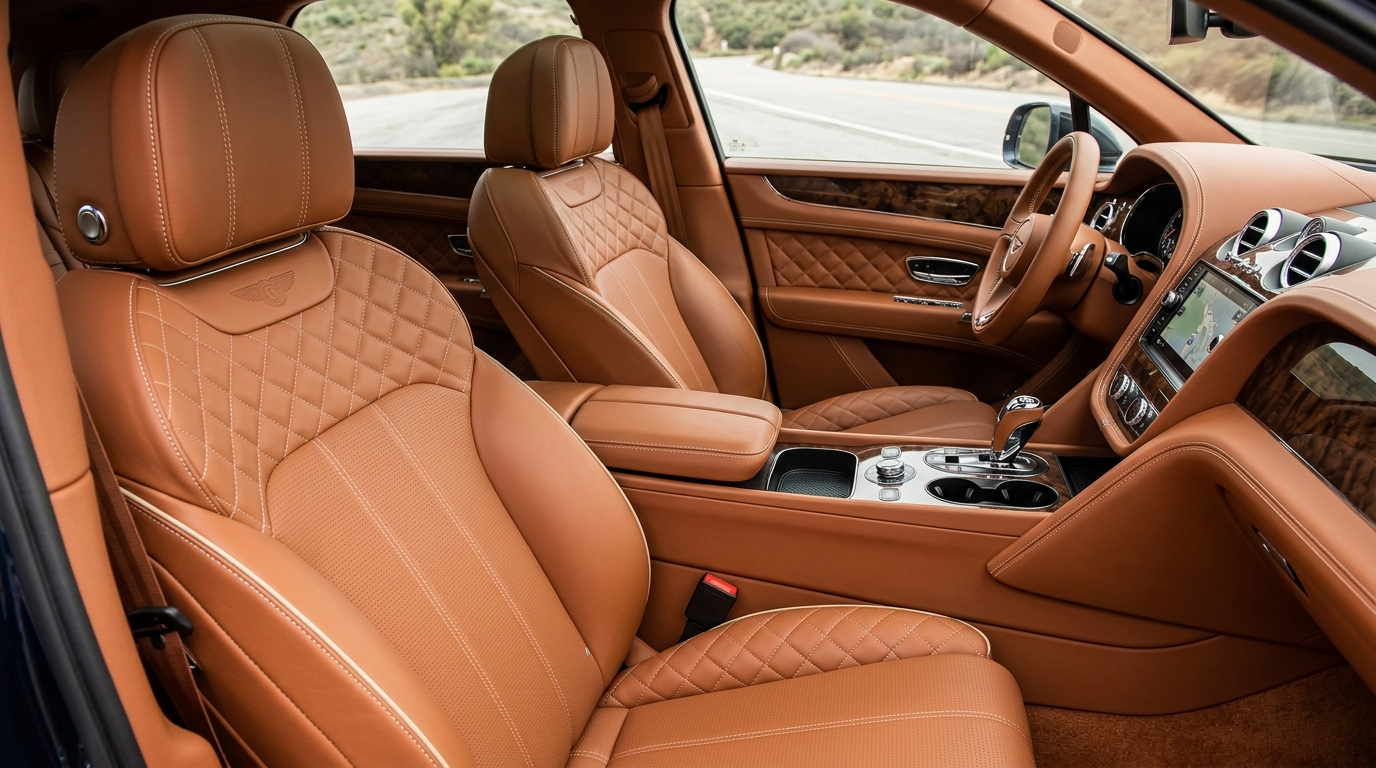
Leather seats generally benefit from conditioning every few months, but the ideal schedule depends on factors such as leather type, driving frequency, sun exposure, and climate. Regular cleaning and conditioning can help maintain softness, reduce dryness, and protect against premature wear. Adjust your routine based on how your seats look and feel, while following the manufacturer’s care recommendations.
Run your hand across a leather seat that hasn’t been conditioned in a while, and you’ll feel it right away. The surface goes tight, almost papery, nothing like the soft give you remember from the day you drove the car home. That’s because leather comes from animal hides and can lose suppleness when exposed to heat, sunlight, friction, and everyday wear. Ignore that for long enough and the seat that once felt like a lounge chair starts to feel like cardboard.
So how often should you really be doing this? Most people only start asking once the damage is already visible, which is a shame because the fix, when caught early, is genuinely simple. Here’s what your leather care schedule should actually look like, why it matters, and how to catch problems before they become costly repairs.
Why Leather Needs Conditioning In The First Place
Leather comes from animal hide, and even after tanning and treatment, it retains much of that original character. Natural oils inside the material are what keep it soft. Heat, sunlight, friction from getting in and out of the car, and even your air conditioning working overtime in summer all slowly draw that moisture out.
Once those oils are gone, the leather stiffens up. Cracks start at the spots that flex the most, usually right where you sit down or where your hands grip the armrest. Left alone, those cracks spread, the color goes patchy, and a five-year-old car ends up looking like it’s aged fifteen years on the inside.
What Happens When Leather Goes Without Care
Nothing dramatic happens overnight if you never condition your seats. That’s the tricky part. The damage creeps in quietly.
- The sheen fades, and the leather starts looking a bit chalky.
- Cracks show up near the bolsters and the creases where you sit.
- It feels hard and cool to the touch instead of soft and slightly warm.
- Fading gets uneven, especially wherever the sun hits hardest.
- Sweat and moisture soak in faster once the leather turns porous.
You won’t notice most of this week to week. You’ll notice it one day, months later, when someone points at your seat and asks what happened.
How Often Should You Condition Leather Seats?
For a typical car, there isn’t one leather seat conditioning frequency that works for every vehicle. Your ideal routine depends on the leather finish, how much you drive, sun exposure, climate, and the care instructions for your specific product. That’s a fair number for most commuters, cars that split their time between a driveway and a garage, with some sun exposure and average daily use.
But “average” covers a lot of ground. Someone driving for a living puts their seats through completely different wear than someone who drives to the grocery store twice a week.
A Simple Schedule Based on Vehicle Use
Treat this as a jumping-off point, not gospel. Climate, seat color, and the type of leather you’re working with will all nudge these numbers around. Honestly, how the leather feels under your hand tells you more than any calendar ever will.
What Can Affect Your Conditioning Routine?
Leather doesn’t age at the same rate in every car, and a few things explain why.
· Your Parking and Sun Exposure
Hot, sunny climates dry leather out faster than just about anything else. A car sitting outside under a New Orleans summer sun for hours a day loses moisture much faster than one parked in a shaded garage. Humid air, on the other hand, actually helps by slowing that process down.
· Your Daily Driving Habits
Getting in and out of the seat, plus the natural oils and sweat that come with skin contact, wears leather down in a way a parked car doesn’t. If you’re in the car every day, you’ll need to condition more often than someone whose car mostly sits.
· Your Leather Type and Seat Color
Leather finishes vary, and protective coatings can affect how the material responds to moisture, sunlight, and cleaning. Always check the care recommendations for your specific automotive leather. Darker seats can become hotter in direct sunlight, which makes protecting the interior from prolonged sun exposure especially important.
· Passengers, Pets, and Everyday Wear
Kids, pets, and regular passengers all add wear a solo driver never generates. More bodies means more oil, dirt, and general contact transferring onto the seat. And if a seat has already been patched or recolored once, it usually needs more frequent attention going forward to keep that repair from drying out on its own.
How to Catch Leather Damage Early
Preventing leather cracking is a lot easier than fixing it after the fact. Once leather actually splits, the conditioner can’t undo that. It can only slow down what comes next. Repairing cracked or damaged leather can be considerably more expensive than maintaining it, particularly when extensive restoration or reupholstery is required once you factor in labor and materials. Catching dryness early is, by far, the cheapest option.
A Simple Feel Test
Press your palm flat against the seat. Soft and a little give means you’re fine. Stiff, papery, or rough means the leather needs help.
Early Warning Signs to Watch
- The leather feels noticeably stiffer than it did a few months back.
- Fine lines or creases start showing up on the seat bottom.
- The surface looks matte or dusty instead of having any natural shine.
- Small bits of finish flake off when you rub the seat with a cloth.
If your seats already feel dry, stiff, or worn, professional care can help prevent minor issues from becoming bigger repairs. Shameez Car Detailing New Orleans can give your interior the attention it needs. Get our professional car detailing in New Orleans to keep your leather clean, conditioned, and protected.
Simple Leather Maintenance Tips Between Treatments
Conditioning is one piece of the puzzle, not the whole thing. A few simple habits stretch the life of your leather well beyond what conditioner alone can do. These maintenance tips work best alongside your regular schedule, not instead of it.
- Putting conditioner over dirt or old product just traps grime against the surface.
- Furniture polish and dish soap aren’t made for automotive leather and can strip protective coatings.
- A sunshade or a shaded spot goes a long way toward slowing moisture loss.
- Leaving a liquid sitting too long can stain or eat into the finish.
- Spreading it out reduces wear instead of concentrating it in one spot.
- Every leather reacts a bit differently, and nobody wants a surprise on a visible panel.
Small habits like these can make your conditioning routine more effective and help your seats stay comfortable between treatments. The goal isn’t to overwork the leather, but to keep it clean, protected, and away from unnecessary wear. With consistent care, you can catch small problems before they turn into costly repairs.
Frequently Asked Questions
1. How Do I Know If My Leather Seats Need Conditioning Right Now?
If it feels stiff, dry, or a bit rough, or you’re spotting fine cracks starting to form, it’s time. A dull, chalky look is another giveaway.
2. Can I Condition Brand New Leather Seats?
New leather may not require immediate conditioning. Check the vehicle manufacturer’s or leather-care product’s recommendations first, as some automotive leather has protective finishes that don’t require frequent conditioning.
3. Can You Overdo It With Conditioner?
You can, too much product leaves a greasy film that just attracts dust and dirt. A sensible schedule based on how you actually drive keeps this from becoming an issue.
4. Does Seat Color Make a Difference?
Color can affect how much heat a surface absorbs in direct sunlight, but conditioning frequency shouldn’t be based on color alone. Consider the leather’s finish, sun exposure, usage, and the manufacturer’s care recommendations.
5. What’s the Real Difference Between Cleaning and Conditioning?
Cleaning strips away dirt and grime, conditioning puts moisture back in and keeps the material flexible. When using separate cleaning and conditioning products, clean the leather first and then follow with the conditioner. Always follow the product manufacturer’s instructions.
The Bottom Line
Leather seats reward the people who pay a little attention to them. A conditioning routine every few months, adjusted for your climate and how much time you spend behind the wheel, keeps that soft, factory-fresh feel around for years instead of months. It’s a small habit, but it’s the kind that pays off every single time you sit down. Regular conditioning helps keep leather soft and flexible, but professional care can make a noticeable difference when your seats begin showing dryness or wear. Connect with Shameez Car Detailing New Orleans to maintain your vehicle’s interior and give your leather the care it needs to stay comfortable and well-maintained.