
Summary
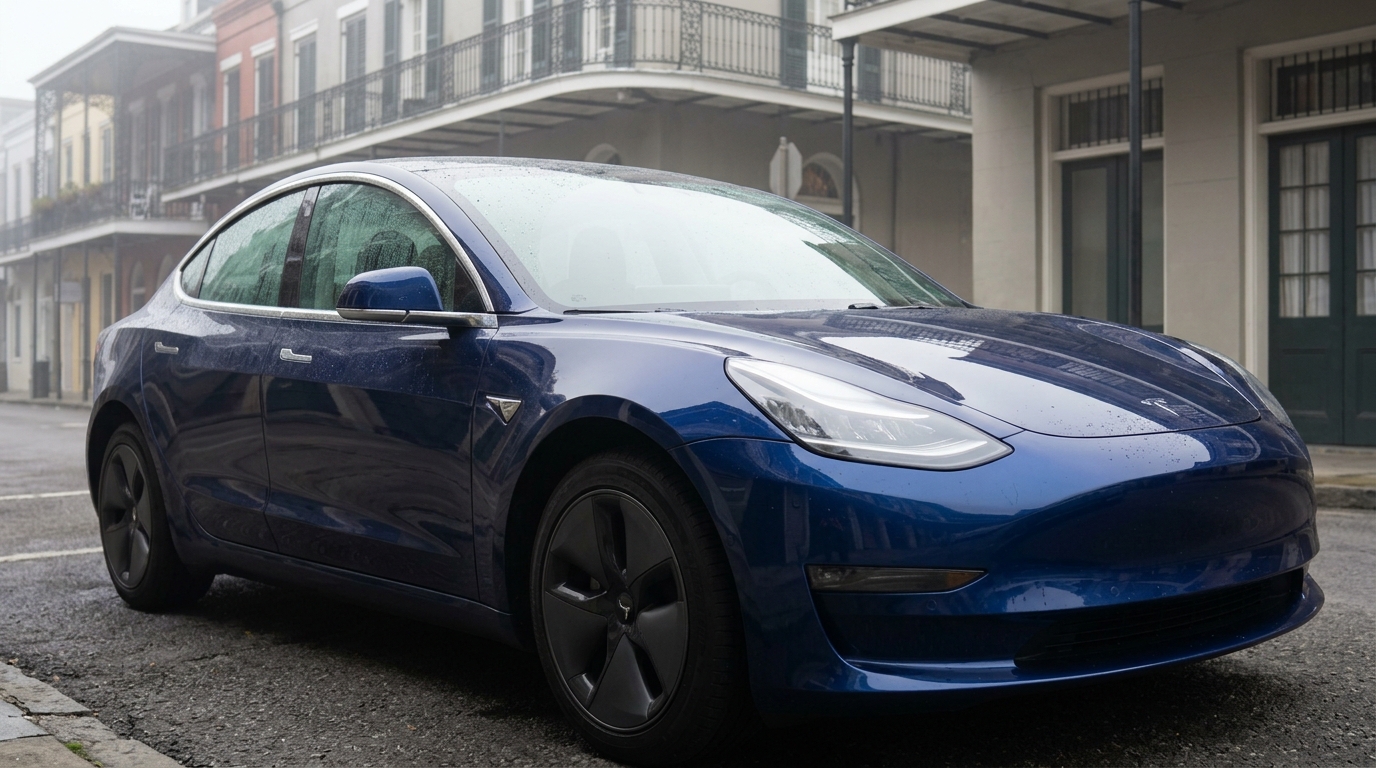
New Orleans has a warm, humid climate for much of the year, and persistent moisture can create additional challenges for vehicle maintenance. Understanding humidity, car paint damage, and mold risk can help drivers protect their vehicle’s finish and cabin with the right climate car care habits in New Orleans.
Anyone who has lived in New Orleans for more than a summer knows the air here doesn’t just feel heavy, it acts heavy. That thick, sticky humidity rolling in from the Gulf can affect your vehicle every day, especially when it’s parked outside in a driveway or on the street. Most drivers notice the damage only after it shows up as dull paint, water spots, or a musty smell that will not go away, and by then the humidity has already been doing quiet work for months.
This article walks through how humidity affects your car’s paint and interior, and what you can do about it before the damage gets expensive to fix.
Why New Orleans Humidity Is Different
New Orleans sits in a humid subtropical climate, which means the air stays thick with moisture for most of the year, not just during a short rainy season. Unlike drier regions where humidity spikes occasionally and eases off, cars here face consistently high moisture almost year-round.
This is the core idea behind car care in New Orleans’ climate. Vehicles regularly exposed to New Orleans’ humid outdoor conditions can experience more persistent moisture exposure than vehicles in drier climates, and that constant exposure turns minor, occasional wear into cumulative damage that shows up earlier than it would on a similar car in a drier city.
How Humidity Can Damage Car Paint
Paint deterioration rarely happens all at once. It typically develops gradually as moisture, heat, UV exposure, and environmental contaminants contribute to surface wear over time.
· Moisture Trapped Beneath the Clear Coat
Humid conditions can make moisture-related paint problems harder to manage, particularly when a vehicle already has a damaged clear coat, exposed areas, or poorly cured refinished paint. Prolonged moisture exposure can contribute to deterioration, especially when the paint system is already compromised.
· Oxidation Accelerated by Moisture and Heat
Oxidation develops as automotive paint weathers under prolonged exposure to oxygen, ultraviolet radiation, heat, and environmental contaminants. New Orleans’ hot, humid climate adds another layer of environmental stress, but humidity itself isn’t the primary cause of oxidation.
· Water Spotting and Mineral Etching
Humid air means condensation and dew tend to form on vehicle surfaces frequently, even on rainless days. Moisture from rain, condensation, or washing can leave water droplets on the vehicle’s surface. As those droplets evaporate, dissolved minerals and contaminants can remain behind as water spots.
· Weakened Protective Coatings
Wax and sealants can help protect automotive paint from environmental exposure, but their durability varies by product and conditions. Frequent washing, UV exposure, heat, contaminants, and repeated weather exposure can gradually reduce their effectiveness.
Humidity and Mold Risk Inside Your Car
Paint is not the only casualty of a humid climate. The inside of your vehicle is arguably more vulnerable, and the risk is often less visible until it becomes a serious problem.
How Cabin Moisture Builds Up
Mold requires moisture, and porous materials can provide a suitable place for growth. A car interior offers suitable conditions, since carpet fibers, seat foam, leather, and headliners can retain moisture. When dampness persists inside an enclosed cabin, it can increase mold risk in humidity throughout the vehicle’s interior.
In a city where humidity stays elevated for much of the year, a closed, parked vehicle can sit in that environment for extended stretches, particularly during storage or slower driving weeks. Common moisture sources include rainwater entering through leaks or partially open windows, wet clothing or shoes, spilled liquids, clogged sunroof drains, failed door or windshield seals, and A/C condensate that isn’t draining properly.
Reading the Warning Signs Before Mold Appears
A persistent musty odor can be an early warning that moisture or hidden mold may be present, particularly around carpet padding or upholstery. Take that smell seriously as an early warning sign, not something to mask with an air freshener.
Practical Vehicle Protection for Humid Weather
Protecting a vehicle in this climate does not require anything extreme, but it does call for consistency. A handful of steady habits can make a real difference in humid weather over the course of a year.
For the Exterior:
- Wash and dry your vehicle regularly instead of letting moisture and contaminants sit on the surface
- Dry the vehicle thoroughly after washing to reduce the chance of mineral deposits and water spots forming as droplets evaporate
- Apply a durable protective layer, such as a professionally applied ceramic coating, to help repel water and contaminants and make routine maintenance easier
- Park in shade or a covered area whenever possible to reduce heat-driven oxidation
For the Interior:
- Use the air conditioning system during normal driving to help remove moisture from the cabin
- Keep the cabin dry and address leaks or moisture sources promptly, especially after rain or spills
- Address spills or wet items right away instead of letting them dry into carpet or seats
- Pay attention to musty odors as an early signal rather than waiting for visible staining
Humidity’s Impact at a Glance
Reading through each stage of damage can be helpful, but a quick overview makes the effects easier to understand. The table below highlights the areas that may be affected by humid conditions and the warning signs you may notice.
When Professional Detailing Makes the Difference
Regular home care can manage everyday buildup, but established oxidation or mold in carpet padding and upholstery may require professional treatment. Paint correction can improve light to moderate oxidation, while ceramic coating adds durable protection against environmental exposure. For interiors, professional extraction and remediation can help address moisture and mold in porous materials that routine cleaning may not reach.
New Orleans humidity can take a toll on your vehicle’s paint and interior. For auto detailing in New Orleans, professional detailing, paint correction, ceramic coating, and interior care can help keep your vehicle clean and protected.
Frequently Asked Questions
1. How Humid is New Orleans Compared to Other Cities?
New Orleans has a warm, humid climate, with moisture remaining a significant environmental factor for much of the year. Compared with many inland U.S. locations, drivers can expect more frequent exposure to humid air, rain, and damp conditions.
2. Can Humidity Alone Cause Mold in a Car without a Leak?
Yes, high humidity can contribute to mold growth even without an obvious leak, particularly when moisture condenses on cool surfaces or porous materials remain damp.
3. Does Ceramic Coating Really Help with Humidity Damage?
A professionally applied ceramic coating can provide durable surface protection, hydrophobic properties, and resistance to environmental contaminants. It can make routine maintenance easier, but it won’t prevent every form of paint damage or eliminate the need for washing and proper care.
4. How Often Should I Wash My Car if I Live in a Humid Climate?
For a vehicle regularly exposed to rain, road contaminants, tree sap, bird droppings, or other deposits, washing about every two weeks is a reasonable maintenance starting point, with more frequent washing when the vehicle becomes heavily contaminated.
5. What is the First Sign of Mold Forming in a Car Interior?
A musty or damp odor can be an early warning that moisture or hidden mold may be present, especially if the smell persists after the interior has been cleaned.
Wrap Up
Humidity is not a seasonal inconvenience in New Orleans; it is a year-round environmental factor that can affect vehicle maintenance. Persistent moisture, heat, UV exposure, rain, and contaminants can contribute to water spots, surface deterioration, and damp interior conditions. Regular washing, thorough drying, and moisture control can help reduce these risks, while professional detailing can provide deeper cleaning and protection when problems develop.
If water spots, fading, or musty odors are already appearing, Shameez Car Detailing New Orleans can keep your vehicle looking its best and protected. Restore your car’s appearance and keep it better protected in the local climate with us.